How losing weight may help with joint pain
Osteoarthritis and back pain are the most common joint-related complaints in Australia. Around 2.1 million Australians live with osteoarthritis and being overweight or obese is a major risk factor for joint pain.
The good news is you don't have to lose a lot to start feeling a difference.
Losing as little as 5 percent of your body weight can bring real health benefits, and modest weight loss is linked with easing osteoarthritis symptoms for some people. It's one part of managing joint pain, alongside staying active and the advice of your healthcare professional.
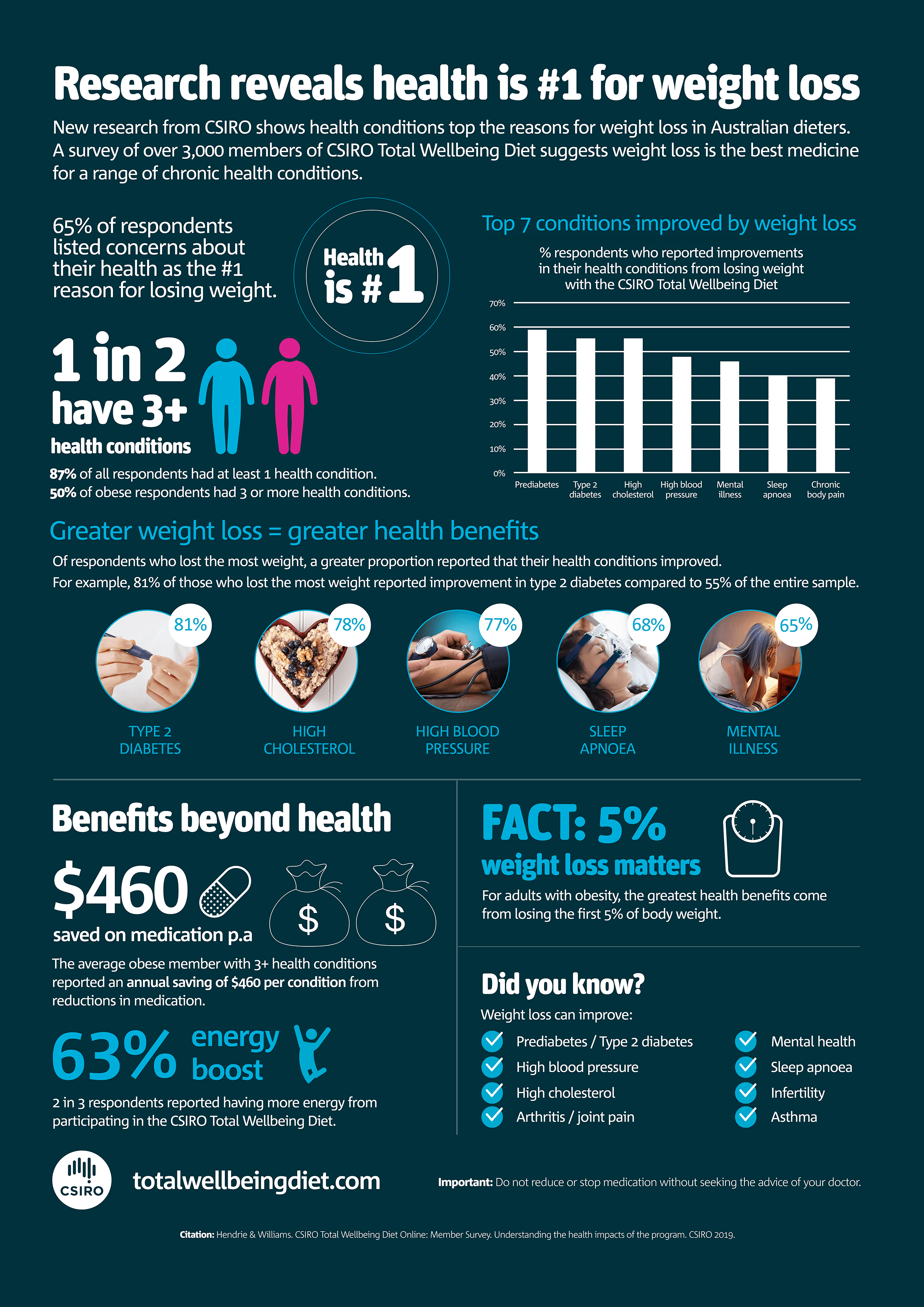
This is where the CSIRO Total Wellbeing Diet can help.
A weight loss plan backed by science
The Total Wellbeing Diet is a higher-protein eating plan, created and tested by the CSIRO. It's built to help you lose weight and keep it off, so you can take some of the load off your joints and get back to the things you enjoy.
Carrying extra weight adds stress to weight-bearing joints like your back, knees and feet. Losing weight, along with regular movement, can help ease that load.
When you join, you'll get:
- A scientifically formulated weight loss plan
- Easy and delicious high protein, low GI recipes to support weight loss
- Educational content to help you manage joint pain
- Online tracking tools so you can see your progress
- Access to our Android & iOS companion app
- Simple at-home exercises to help you stay active and mobile
- A supportive online community to keep you motivated
- A refund^ of $199 on selected plans
What to expect when you join
The CSIRO Total Wellbeing Diet is a higher protein eating plan, created and tested by Australia’s national science agency, the CSIRO.
Managing your weight is widely recognised as one part of managing osteoarthritis, alongside staying active and the guidance of your healthcare professional.
By joining our online program, you can build better eating habits, lose weight and maintain energy throughout the day, which can help take some of the load off your joints.
Citation: Hendrie & Williams. CSIRO Total Wellbeing Diet Online: Member Survey. Understanding the health impacts of the program. CSIRO. 2019.
Join now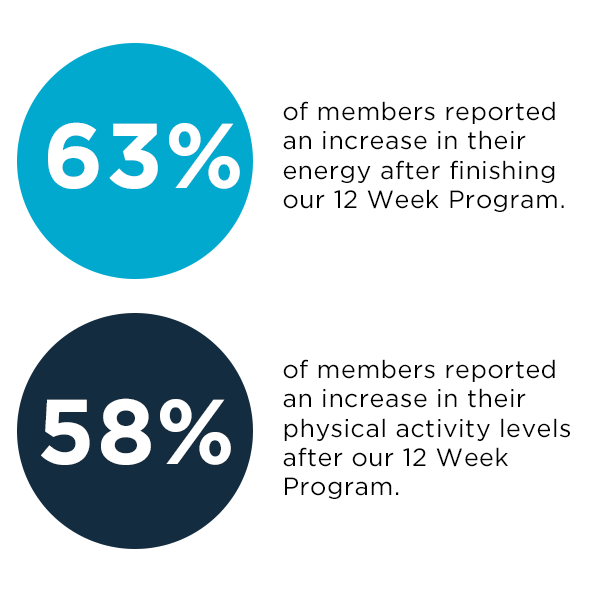
Jennifer lost 23 kg*
Jennifer is now pain free
A back injury and daily aches and pains in her joints meant Jennifer wasn't able to play with her grandsons. She joined the CSIRO Total Wellbeing Diet, lost an impressive 23 kg* and is now able to keep up with her grandkids and go on long walks and bike rides with her husband.
Join nowKerri lost 27 kg*
Kerri got back to her exercise routine
After being diagnosed with two forms of arthritis, Kerri knew she needed to lose weight to manage her health issues. She lost 27 kg*, allowing her to get back to an exercise routine that helped manage her symptoms and reduced pressure on her joints.
Join nowJanice lost 19 kg*
Janice feels 10 years younger and lighter
“My foot just cracked under the pressure! My hips and knee joints were always sore and it was harder and harder to just stand up after sitting for a while.” After losing 19.7 kg*, Janice's joints are no longer sore and she can easily get up and down from sitting.
Join now1Australian Bureau of Statistics (ABS) 2017–18 National Health Survey (NHS)

Want to learn more about how our program may help with joint pain?
Enter your name and email here and we'll send you everything you need to know about the CSIRO Total Wellbeing Diet.Frequently asked questions
How do I get the Joint Pain program?
Simply sign up to the CSIRO Total Wellbeing Diet by clicking here. When you login to your account for the first time, you'll be guided through the initial setup and be prompted to choose a program preference. This is where you can indicate you would like to follow the program for Joint Pain.
Will my health fund help pay for the Total Wellbeing Diet?
Very possibly! We have partnerships with many of the top health funds in Australia, allowing members to claim back the cost of the membership under their Extras or Hospital Cover. Click through to find out if you're eligible to get our program rebated - or in some cases completely free of charge.
What is osteoarthritis and joint pain?
Joints form the connections between bones. Any damage to them, from either disease or injury, can interfere with movement and cause discomfort.
Joint pain usually builds up over several years when the cartilage becomes brittle, so the joints can no longer move smoothly or easily.
There are many conditions that can lead to painful joints, such as osteoarthritis, rheumatoid arthritis, bursitis, gout, strains, sprains, and other injuries.
Osteoarthritis, which affects one in 11 Australians, is a chronic condition caused by worn down cartilage in the joints.
This causes the bones to rub together resulting in its painful symptoms. It largely affects the hands, spine, hips, knees and ankles.
How does weight gain cause joint pain?
Weight gain can cause joint pain because excessive weight puts added stress on weight-bearing joints, such as the hips, knees, and ankles. When you carry extra weight, your joints have to work harder to support your body, which can lead to increased wear and tear on the joints over time. This can result in joint pain, stiffness, and inflammation.
Carrying extra weight can also make existing joint problems worse. For example, if you have knee pain due to a previous injury, carrying excess weight can exacerbate the pain and increase the risk of further damage to the knee.
Does joint pain go away after weight loss?
Weight loss isn't a cure for osteoarthritis, but it can make a real difference. Your weight matters both for your risk of joint pain and for managing it once you have it.
Being overweight or obese is an important risk factor for knee OA. People who are obese are twice as likely to develop OA in the knee compared to people who aren’t. And it adds up fast: it's estimated that every kilo of extra weight puts around four kilos of extra load on your knees.
That's why international guidelines recommend weight loss as a core part of managing hip and knee osteoarthritis. Losing even a small amount of weight can help take pressure off your joints, ease discomfort, and may help slow further wear.
How do I prevent joint pain from weight gain?
Rest assured, you’re in the right place. Stick with the meal plans and incorporate grains, fruits and vegetables into as many meals as possible. Eat low-fat dairy and eggs, enjoy fish at least twice a week and limit foods high in saturated fat, salt and sugar. And enjoy regular exercise, such as walking (try using Nordic poles to help make walking easier and more enjoyable), cycling and swimming, which can increase your endurance and strengthen the muscles around your joints (and make you feel good too).
What foods should I avoid for joint pain?
Keeping excess weight off is a priority if you're managing chronic joint pain, so it helps to limit discretionary foods, such as foods high in sugars, saturated fats and unhealthy oils. You can also reduce foods that may contribute to inflammation, such as:
- Refined carbohydrates. Highly processed carbohydrates in snack foods and baked foods often come with added sugar, salt, and fat. And where possible, high glycaemic index foods such as white flour based-products (like white bread), and white rice, and many processed cereals should be swapped for wholegrain varieties such as wholemeal bread, brown rice and less processed cereals.
- Alcohol. Current guidelines recommend no more than 10 standard drinks per week, and no more than 4 standard drinks on any single day. On the Total Wellbeing Diet, alcohol counts as an indulgence and comes from your discretionary allowance, so it’s best to limit it or leave it out altogether.
- Processed foods. These are often high in saturated fat and sugar, so go fresh wherever possible!
- Salt. A lot of the salt in our diets comes from processed foods, even ones like bread and cereal that don't taste salty. Look for products labelled 'No Salt', 'Low Salt' or 'Reduced Salt', and check the nutrition information panel. Aim for foods with less than 120mg sodium per 100g, have foods with less than 400mg per 100g only occasionally, and avoid those with more than 400mg per 100g.
What foods are best for joint pain?
There's no miracle food that cures osteoarthritis or other joint pain. What helps is a well-balanced diet with plenty of variety. Focusing on foods rich in omega-3 fatty acids, healthy fats, vitamin D and calcium supports your overall health while you manage your weight. Sticking to your food units, lean into staples like:
- Fish and lean proteins. Aim for oily fish like salmon, tuna or mackerel twice a week. Some people take fish oil supplements to ease osteoarthritis and joint pain, but there's limited evidence they work. Fish oil can have an anti-inflammatory effect, but the evidence points to rheumatoid arthritis, not osteoarthritis.
- Fruits and vegetables. The Total Wellbeing Diet program includes a wide variety of fruits and vegetables. Don’t be shy when it comes to loading up your plate with ‘free’ vegetables like leafy green spinach and broccoli!
- Olive oil. A good source of healthy fats and a smart swap for less healthy cooking oils.
- Low-fat dairy. Low-fat milk, yoghurt and cheeses are great sources of bone-strengthening calcium as well as a little vitamin D.
I have multiple health issues, including joint pain, which program is best for me?
If you're managing multiple health issues such as high blood pressure, joint pain, high cholesterol, etc, choose the one you’d most like to focus on.
If that's joint pain, you’re in a good place. Managing your weight is recognised as one part of managing osteoarthritis, alongside staying active and the guidance of your healthcare professional. By joining our online program, you can build better eating habits, lose weight and boost your energy, which can help take some of the load off your joints.
Do I need a doctor’s referral?
No, you do not need a referral from your doctor to join the CSIRO Total Wellbeing Diet.