How to eat healthy on a budget: A dietitian’s guide

Healthy food doesn’t have to cost more. With a bit of planning and a few smart choices, you can eat well and keep your grocery bill in check.
We know that can feel tricky when every dollar counts. That’s why we’ve put together this guide, with practical tips from Nicole Pritchard, Accredited Practising Dietitian and Exercise Physiologist with the CSIRO Total Wellbeing Diet, to help you make the most of every shop.
“Eating well isn’t about expensive ingredients,” says Nicole. “It’s about a few good habits that help you get more from what you already buy.”
Here’s where to start.
Before you shop
A little prep at home makes for a smarter, healthier shop.
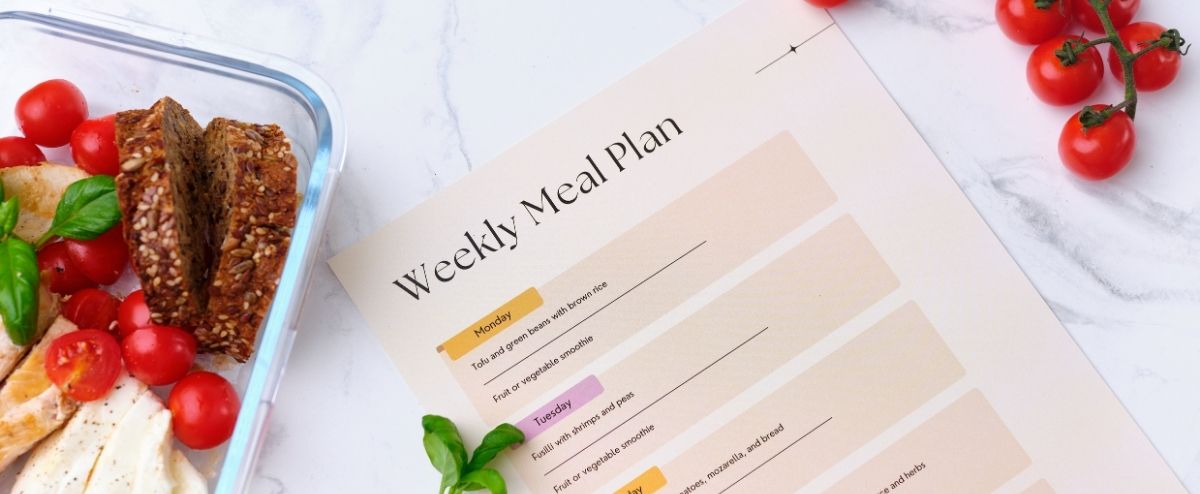
Plan your meals and snacks for the week.
Planning your meals and snacks for the week takes the guesswork out of the daily “What’s for dinner?” question, the one that so often ends with getting a meal delivered. Cooking at home usually costs less than ordering in, so it's an easy way to stay within your budget.
With a plan in place, the week feels easier, and less food gets thrown out.
“Most of the waste I see starts with a shop that had no plan behind it,” says Nicole.
Write a list and stick to it.
Now that you know what you’ll be cooking for the week, it’s time to jot down your list. Group it by section of the shop so you’re not wandering the aisles, and try not to shop hungry.
Then make sure you stick to your list. Specials at the end of the aisle and treats at the checkout are designed to catch your eye, and impulse buys add up. Leave them on the shelf and you might be surprised how much stays in your wallet. "Think of your list as a budget you can carry,” says Nicole. “If it's not on there, it doesn't come home with you.”
Your health benefits too. CSIRO research found Australian adults eat about 3,000 kJ of discretionary foods a day, around twice the recommended amount. Fewer biscuits and chips in the trolley means fewer temptations at home.
At the shops
Once you’re in the aisles, these habits help your money go further.
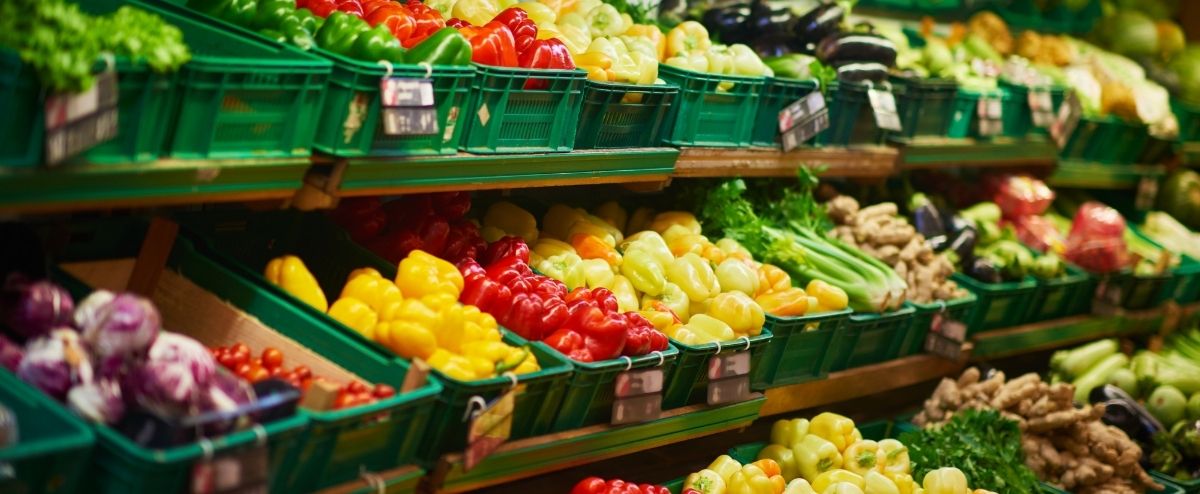
Choose what’s in season.
Buying in-season fruits and vegetables is often more affordable, and they’re at their peak for flavour. In November, that means plenty of strawberries, asparagus and cauliflower.
If something you need is out of season or pricey, swap it for a similar option that isn’t. Recipes are a guide, not a rulebook. "Let the season write part of your menu," says Nicole. "When cauliflower is everywhere, build a couple of dinners around it."
Buy in bulk and freeze.
Pantry staples like rolled oats, brown rice and dried lentils keep for months. Buying a bigger bag often means you pay less per serve.
Mince, chicken and bread all freeze well. Split bulk packs into meal-sized portions and label each one with the date so you use the oldest first. Only bulk-buy what you’ll actually use, or the savings end up in the bin.
Shop the specials that suit you.
Not every special is a trap. When something you use often is on special, it’s a good time to stock up.
You can also build a meal or two around what’s on sale. Just make sure it’s something you’d eat anyway.
Keep a well-stocked pantry and freezer.
Everyday staples like eggs, tinned fish, legumes and frozen vegetables are affordable and still help you hit your nutrition targets. Have a few on hand and you can always pull together a healthy meal, even when the fridge looks bare. "Tinned and frozen foods often get overlooked, but they're some of the hardest-working foods in my kitchen," says Nicole.
Frozen and tinned options last longer, so less goes to waste. With tinned foods, choose reduced-salt varieties with no added sugar.
For more protein-rich staples to stock up on, see 10 cheap, high-protein foods that stretch your grocery budget.
At home
What you do with your food once it’s home matters just as much.
Make it yourself.
Pre-cut vegetables, grated cheese and bottled dressings cost extra for the convenience. Doing it yourself only takes a few minutes and keeps that money in your pocket.
Try a simple salad dressing of olive oil, lemon juice and a pinch of dried herbs. Grate a block of cheese and chop a few days’ worth of vegetables when you get home from the shops.
Cook once, eat well all week.
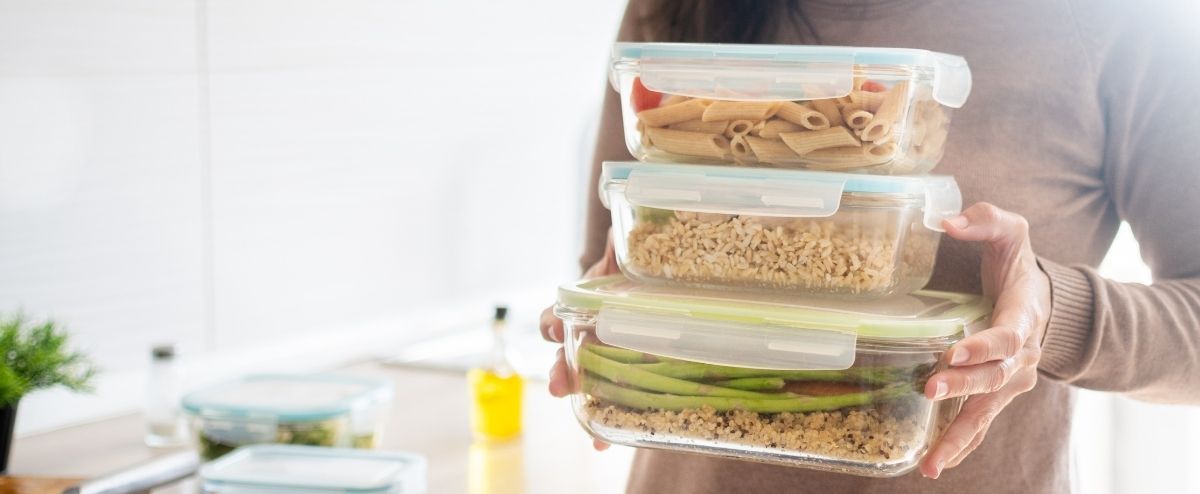
Cooking a big batch on the weekend saves time and money on busy weeknights. It also means you’re less likely to reach for takeaway after a long day.
Pick one or two recipes that reheat well, like a mince bolognese, a lentil curry or a vegetable soup. Portion them into containers, or freeze a few serves for later. For more ideas, browse our budget-friendly meals.
“Batch cooking is one of the simplest things you can do,” says Nicole. “If a healthy meal is ready to go, you’re far more likely to eat it.”
Give leftovers a second life.
Leftovers don’t have to mean eating the same meal twice. A little planning turns them into something new.
A few ideas:
- Turn leftover roast chicken into wraps or a salad for lunch.
- Add leftover roast vegetables to a frittata.
- Toss leftover bolognese with zucchini noodles.
Small changes, big difference
You don’t have to overhaul everything at once. Start with one or two of these tips this week.
Each one is a small swap that’s good for your budget and your health. A home-cooked dinner instead of one delivered. Leftovers for lunch instead of a café sandwich. A mandarin from the fruit bowl instead of a muffin at the checkout.
On their own, they might seem minor. But healthy eating is about what you eat most of the time, not single foods or perfect days. When CSIRO researchers modelled simple swaps like these, the average Australian’s diet improved, with more fibre and calcium and less added sugar.
Keep making small changes and they’ll add up, for your health and your bank account. "Eating well on a budget is a skill, and like any skill, it gets easier with practice," says Nicole. "Your first week might take some thought, but it'll soon become second nature."
Want a plan that keeps healthy eating affordable?
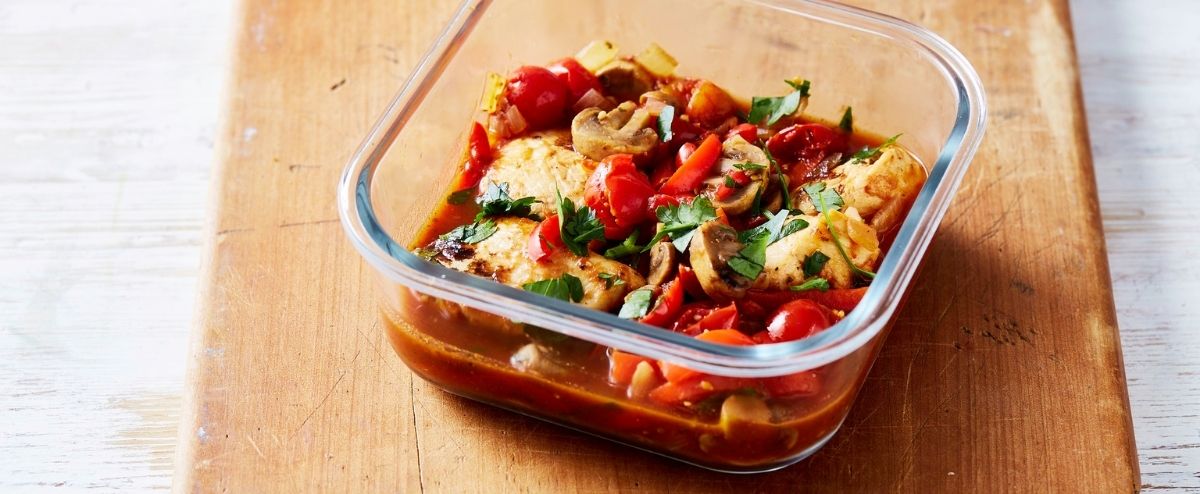
The CSIRO Total Wellbeing Diet does the planning for you. Your higher-protein meal plans are built around real, everyday food, with weekly shopping lists to help you buy only what you need.